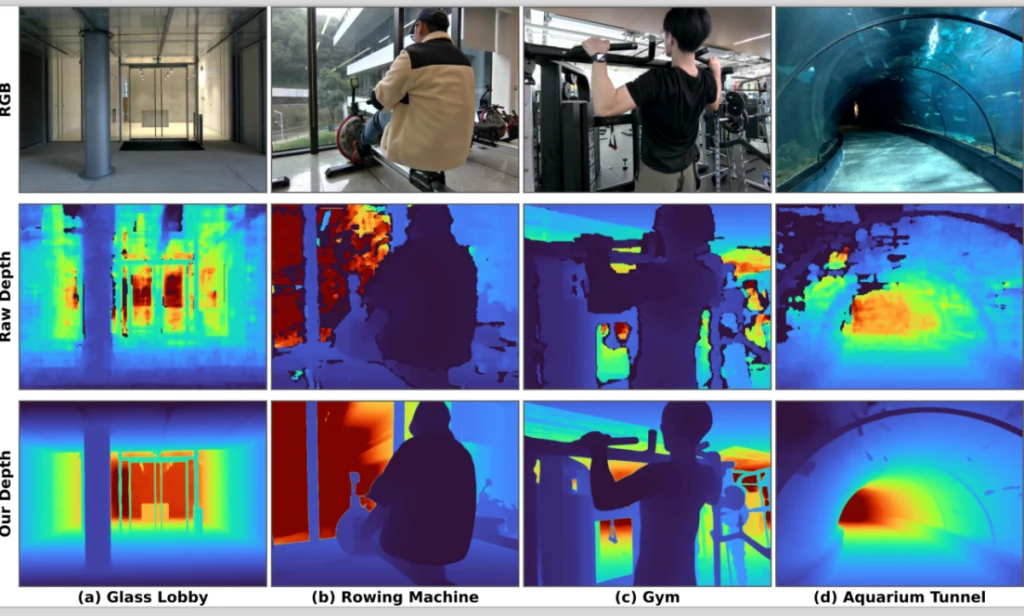
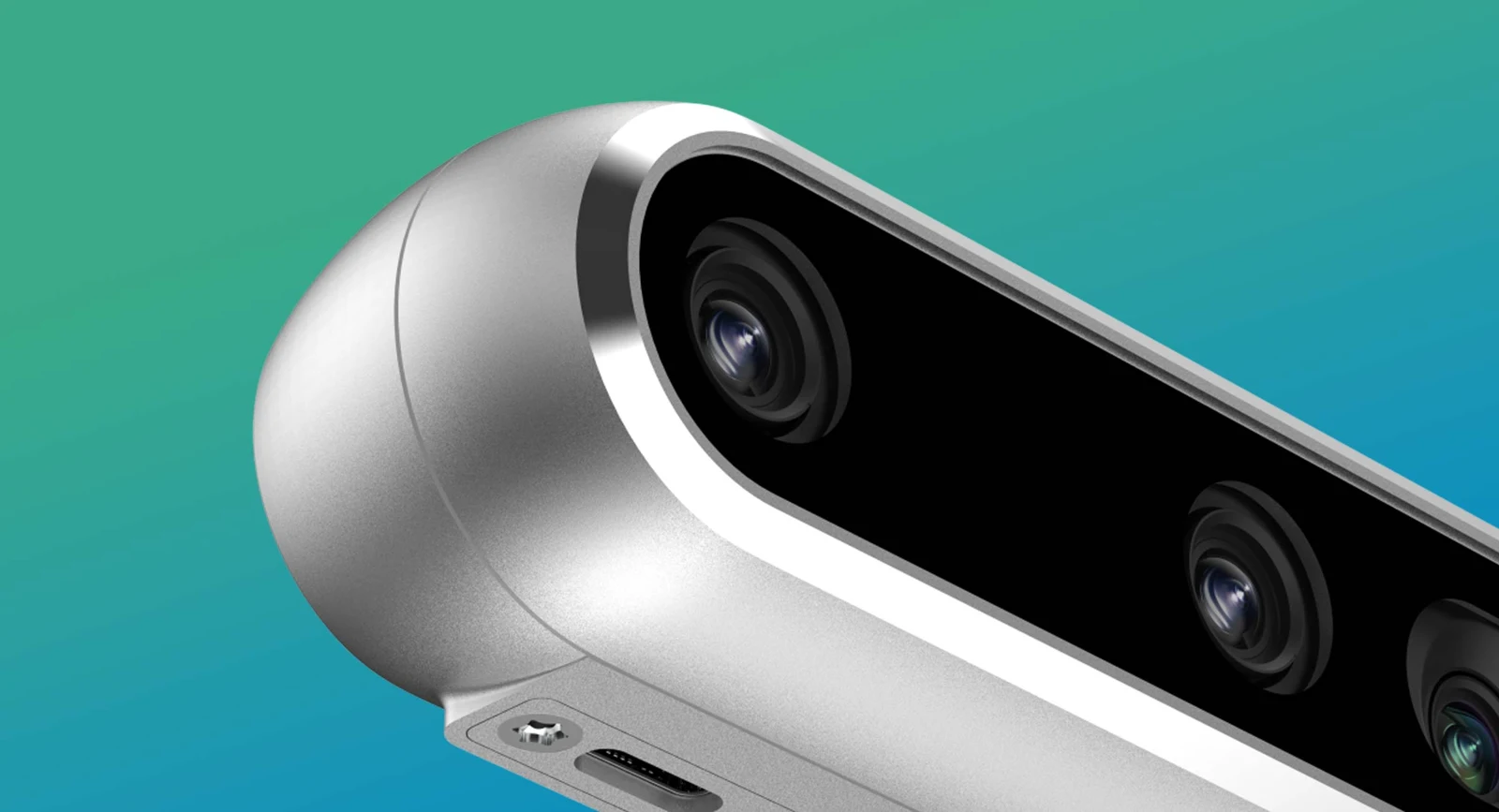
A robot approaching a pallet faces a question that a purchase order cannot answer: where, exactly, does the load begin? Before a machine can lift, route or place anything, it needs a usable account of the space in front of it. That problem gives an otherwise conventional acquisition announcement a larger meaning. The competition to build useful robots is also a competition to supply their sight.
On September 22, 2026, Cognex announced an agreement to buy RealSense for approximately $500 million, using existing cash and investments. Its subsequent third-quarter SEC filing continued to describe the acquisition as pending, with a fourth-quarter closing expected. At this article’s November 10 reporting cutoff, the reviewed primary documents support an agreed transaction, not a completed takeover. That distinction matters when discussing ownership, integration and promises to customers.
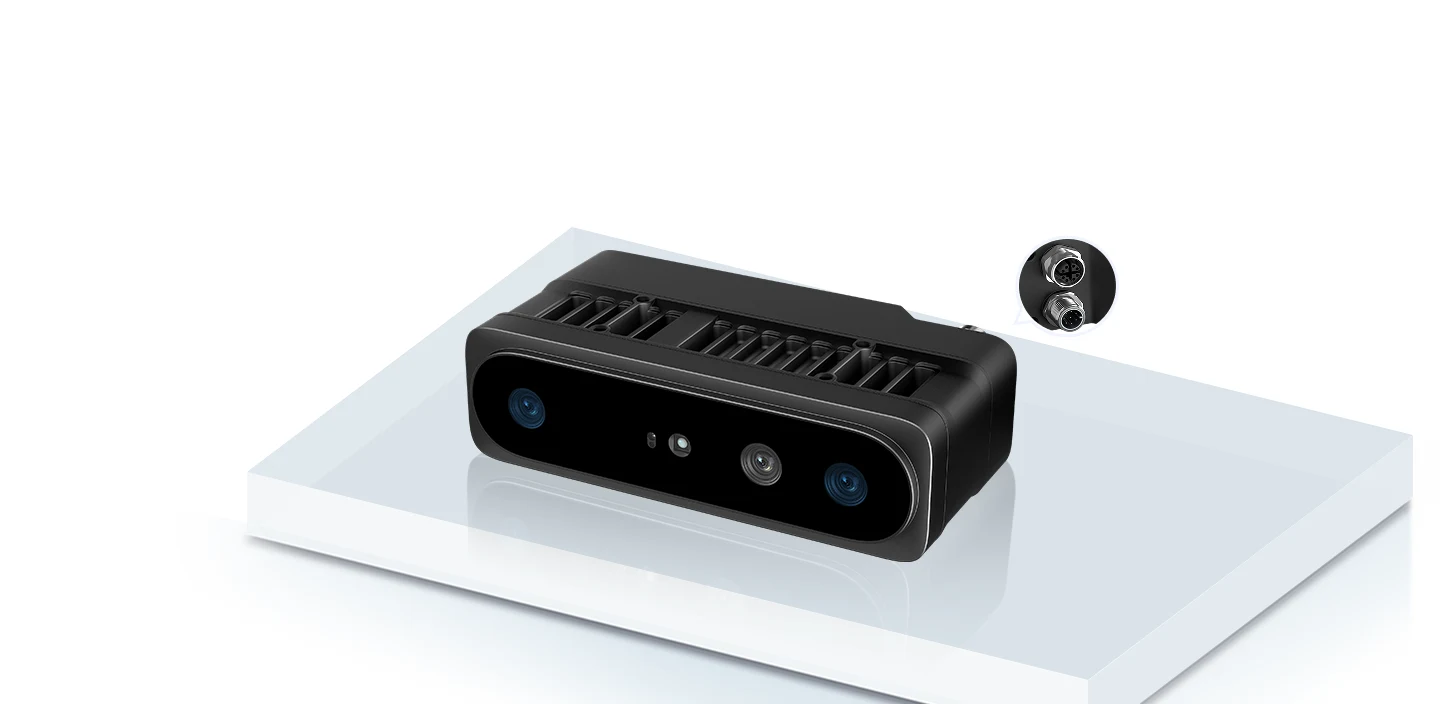
The history is unusually compressed. RealSense announced its independence from Intel on July 11, 2025, alongside a $50 million Series A round. Intel separately confirms the spinout date. In its announcement, RealSense pointed to its D555 camera, with onboard vision processing and Power over Ethernet. Those details locate the business in a practical part of robotics: getting environmental measurements into a machine that must make decisions on a schedule.
Cognex framed the proposed purchase as an expansion from industrial machine vision into robotic perception. Its announcement projected RealSense revenue of $80 million to $90 million in 2026. That is management’s expectation, not audited full-year revenue. The same release set out a planned separation of RealSense’s facial authentication product line before closing. The buyer is assembling a particular industrial capability, rather than simply acquiring every use of depth sensing under one name.
“This is a combination that makes both businesses stronger”
The strategic attraction is understandable. A factory camera may be asked to inspect a part presented in a controlled position. A mobile robot has to deal with a scene that changes as it moves. For buyers, the useful question is how well those capabilities can cooperate: identifying the right object, locating it in space, checking its condition and giving a controller enough information to act. The transaction proposes a commercial bridge between those tasks. Whether it becomes a convincing engineering bridge remains to be demonstrated.
Consider an evaluation a warehouse operator could run. Present the same load under changing illumination, move an obstruction into view and vary the approach angle. Record when the perception system becomes uncertain, how the planner responds and how readily a technician can diagnose a failure. Such an exercise would reveal more about the value of a combined offering than a catalog that merely lists additional camera families. This is an assessment framework, not a claim about results from a Cognex installation.
There is also a less photogenic issue: continuity. A robot builder choosing a sensor is making a commitment to drivers, calibration procedures, connectors and maintenance practices. A new corporate owner can potentially broaden support and distribution. It can also change priorities. Customers should ask what remains compatible, which interfaces are supported and how product transitions will be communicated. Neither the purchase price nor the acquisition rationale settles those questions.
Orbach’s description of stronger businesses captures the seller’s position. The customer’s test is different. Does the combination shorten the distance between acquiring depth data and completing a useful task? That could mean easier integration, more dependable supply or fewer occasions when a robot needs human help. None should be assumed from the announcement alone.
For the robotics race, this is a reminder to look beyond the machine’s silhouette. The arm, wheels or humanoid body may attract attention, but each depends on an interpretation of the world. Cognex is proposing to spend half a billion dollars on a business that helps produce that interpretation. The eventual measure of the bet will be found in working systems: machines that see enough, soon enough, to do the job.